

How Can Assisted Living Meet Different Needs for Senior Couples?
Senior couples in Economy, PA often have different needs as they age. Assisted living communities are designed to adapt to these differences without splitting couples apart. When one partner needs more daily support and the other is still largely independent, both can continue living together in the same community. This flexibility helps preserve emotional bonds while providing personalized care.
Assisted living in the area typically offers a blend of private accommodations, shared spaces, and variable care options. Couples might share an apartment while each receives care and services suited to their own needs. The community setup ensures that both partners can maintain their daily routines, whether those involve more medical support or greater autonomy.
What Types of Support Are Available for Couples with Different Abilities?
Assisted living communities in Economy provide a variety of solutions for couples facing different health or mobility challenges. Staff are trained to deliver customized support plans:
- Assistance with activities such as bathing, dressing, and grooming for just one partner, while the other partner remains self-sufficient.
- Healthcare oversight for chronic conditions, like diabetes or heart disease, without disrupting the independence of a healthier spouse.
- Supervision, medication management, or memory care as needed, allowing couples to remain together even if one experiences cognitive changes.
- Adaptations in living arrangements, such as installing safety features or providing meal plans suited to different dietary needs.
This approach reduces the stress that can arise when one partner becomes a primary caregiver, helping couples focus more on their relationship and shared activities.
How Does Assisted Living Encourage Togetherness and Independence?
Staying together is often a top priority for couples, even as their abilities diverge. Assisted living settings keep couples in the same household while giving both spouses chances for social connection and independence:
- Couples can participate together in community activities, outings, and social events aligned with both their interests and abilities.
- Each partner can choose their own daily schedule—one may join a fitness class, while the other enjoys a book club or group discussion.
- Shared meals and recreational spaces are available, but privacy is respected—apartments are private, allowing couples to manage their own routines as much as possible.
In the Economy area, this balance helps couples stay active in the community while honoring their unique care requirements and personal choices.
Can Couples Stay Together if One Partner Needs Memory Care?
Many local families worry what will happen if one partner develops dementia or Alzheimer’s disease and needs higher levels of supervision. Modern assisted living communities now offer integrated memory support, which means spouses can remain under the same roof even if one needs specialized care.
For example:
- Possible arrangements include connected or adjoining suites, so the partner needing memory care receives extra safety and supervision, while the other maintains more freedom.
- Staff are trained to support family relationships, encouraging shared activities and routines that help maintain connection, such as music therapy or reminiscing programs.
- Security features, like alarmed doors and protected outdoor areas, allow the partner with memory loss to stay safe without isolating them from their loved one.
These features help reduce the heartbreak that comes with separation, letting couples preserve their bond as they navigate the challenges of memory loss.
What Practical Factors Should Couples and Families Consider in the Economy Area?
Transitioning to assisted living is a significant decision, especially for couples with different needs. In the Economy community, it's practical to consider the following:
- Apartment configurations: Look for spaces that allow for both partners’ privacy and comfort, such as suites with two bedrooms or adaptable layouts.
- Seasonal considerations: The local climate, with its chilly winters, means indoor amenities and transportation services can make a big difference for couples facing mobility issues.
- Proximity to family: For many local households, staying near relatives is important; assisted living in Economy enables both spouses to remain close to loved ones and familiar surroundings.
- Community involvement: Area facilities often coordinate events and opportunities with local organizations, giving couples chances to stay involved in ways that matter to them.
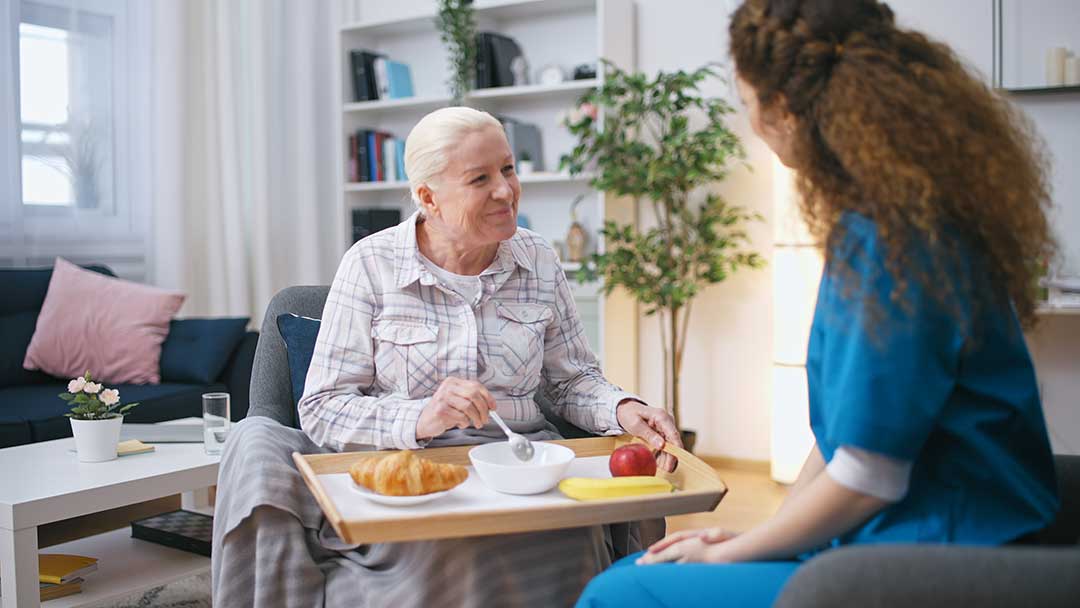
These considerations can help families plan for a transition that supports both partners’ wellbeing and satisfaction.
Are There Common Misconceptions About Assisted Living for Couples with Different Needs?
It’s common for area residents to assume that assisted living means one-size-fits-all care or immediate separation if needs change—but that is not the case. Key misconceptions include:
- Myth: Couples will be separated if one requires more care. Reality: Modern communities in the area aim to keep couples together through flexible support and adaptive services.
- Myth: Both partners must accept the same level of care. Reality: Individualized plans allow one spouse to remain independent while the other receives the necessary help.
- Myth: Lifestyle choices will be restricted. Reality: Assisted living encourages autonomy whenever possible, so couples can continue hobbies, social life, and daily routines.
Understanding these realities can help local families feel more confident as they explore care options.
What Local Resources or Supports Can Help With the Transition?
The transition to assisted living can be emotional and logistically complex. While private providers cannot be listed in this guide, several general resources are available to residents in Economy:
- Local government agencies often provide information on assisted living licensing, resident rights, and public benefits that can help offset costs.
- Peer support groups or local senior centers can connect couples with others who have faced similar transitions, offering shared experiences and practical advice.
- Transportation and social services provided by the city may support couples in maintaining outside friendships or family connections, even after moving.
For many local couples, these supports make the transition to assisted living less overwhelming—especially when facing varied individual needs.
