

How Do Assisted Living Communities in Economy, PA Acknowledge Individual Preferences?
Assisted living options in Economy, PA are designed to support personal preferences by balancing safety with autonomy. Residents have diverse backgrounds and needs, so area communities aim to offer flexibility. This begins with a resident-focused approach that welcomes input about routines, meal preferences, hobbies, and privacy. Staff are trained to listen and adjust care, ensuring residents feel at home rather than institutionalized.
Can Residents Keep Their Own Daily Routines?
Residents can often maintain daily habits they value most. Instead of rigid schedules, most communities strive to personalize wake-up times, bathing routines, and even preferred activities. For example, an individual who enjoys early-morning walks can usually continue this tradition, weather and safety permitting. Likewise, those with evening rituals—like reading before bed—are generally encouraged to stick to what feels comfortable.
Some residents appreciate structured group activities, while others value solo pursuits; both preferences are typically respected, with choices changing seasonally to reflect the region’s shifting daylight hours and local events.
What About Food Preferences and Dietary Choices?
Dining is highly individual, and most assisted living settings aim to reflect this. Residents in Economy commonly have opportunities to work with dietary staff to adapt menus for health conditions, cultural preferences, or favorite foods. Instead of a single set menu, there may be options at each meal and, where possible, substitutions for dislikes or dietary restrictions.
For example:
- Diabetic, low-sodium, and vegetarian options are often standard.
- Residents can usually request favorite recipes to be included or brought in from family.
- Local produce and seasonal foods may be featured, linking menus to Western Pennsylvania’s traditions and growing seasons.
How Are Activities and Hobbies Supported?
Personal interests are a cornerstone of life quality in assisted living. The range and style of activities reflect the diversity of the local population—meaning there are generally choices for various ability levels and preferences. Some residents might enjoy traditional crafts or gardening, while others prefer music, group games, or educational programs.
Staff typically encourage residents to suggest new activities or shape existing ones. This could look like:
- Organizing a card game group for those who enjoy socializing
- Providing quiet spaces and supplies for individual hobbies like painting or puzzles
- Arranging outings to local parks, community events, or cultural centers
These options promote engagement on each resident’s terms rather than requiring participation in every planned event.
Can People Decorate Their Own Living Spaces?
Individualization isn’t limited to activities and meals; it also extends to personal living spaces. Residents usually have the freedom to furnish and decorate their rooms or apartments with sentimental items, bedding, photos, or small furniture from home. This helps create a sense of familiarity and belonging, which can ease the transition to assisted living.
Local regulations around fire safety or accessibility may place some limits, but within those boundaries, personal choice is encouraged. Seasonal decorations, family photos, and meaningful knickknacks are all common touches that reflect the resident’s identity.
How Are Religious and Cultural Practices Handled?
Respecting religious or cultural traditions is another area where flexibility is key. Assisted living staff are generally trained to support individual worship practices, dietary needs based on faith, and holiday observances. Residents who want to attend services or participate in community traditions are often provided transportation or given space within the community for gatherings.
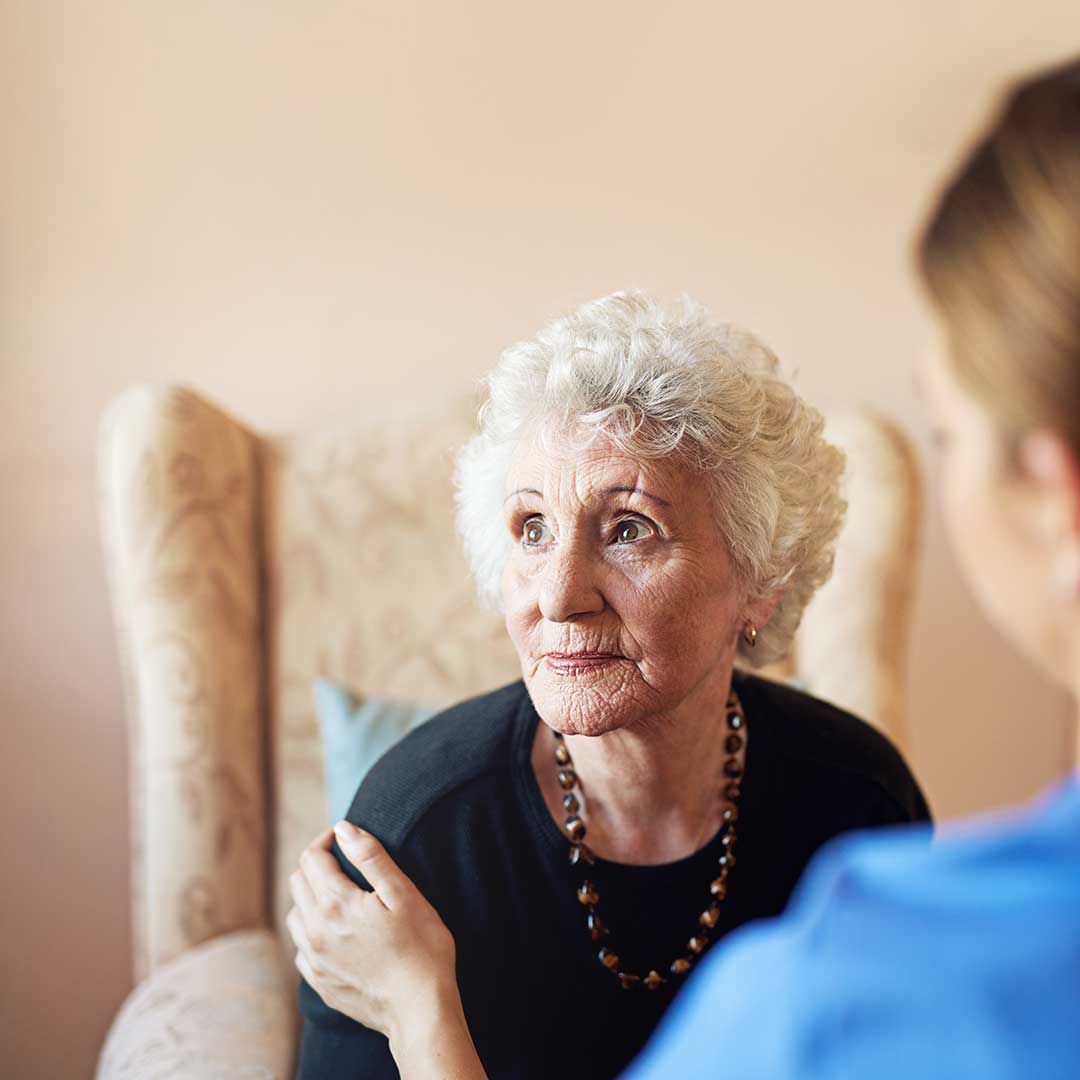
Some examples of support include:
- Access to religious services via local faith leaders or virtual broadcasts
- Culturally relevant holiday meals or celebrations
- Support for prayer times or private reflection spaces
How Does Privacy Fit Into Daily Life?
Privacy remains a priority in assisted living, even while safety is maintained. Residents typically have private or semi-private rooms and control over visitors, phone calls, and personal mail. Staff must enter living spaces only when necessary and respect boundaries by knocking or announcing themselves.
This respect for privacy extends to medical care and personal information. Discussions about health, medication, and care needs are kept confidential under local and federal regulations, ensuring dignity for each individual.
What If Care Needs Change Over Time?
Flexibility in care is central to the philosophy of assisted living. As people age or health conditions evolve, the support in these communities is adjusted accordingly. Residents or their families can request changes to daily routines, levels of assistance, or even types of activities available. Regular assessments help make sure individualized preferences continue to be met, even as circumstances shift.
Residents’ wishes are regularly revisited, and care plans are updated with input from the resident, family, and staff, so preferences don’t get lost in standard procedures.
Are Family and Friends Involved in Decisions?
Families often play an active role in shaping a resident’s experience. Most local communities encourage regular communication and involvement in events or care meetings. This ensures preferences are heard and incorporated, even when the resident may not always be able to express them independently.
Family visits are important, so policies are generally flexible enough to allow for unplanned visits during convenient hours, respecting routines established by residents.
Common Misconceptions About Individual Choice in Assisted Living
A frequent misconception is that assisted living means giving up control. In reality, most communities emphasize independence and offer a range of options that allow residents to keep meaningful elements of their lifestyle. Rather than a uniform system, assisted living in this region focuses on adaptation, building a sense of home despite changes in health or mobility.
